
A mistake that most people make in spring is not using SPF products because the sun seems not strong enough
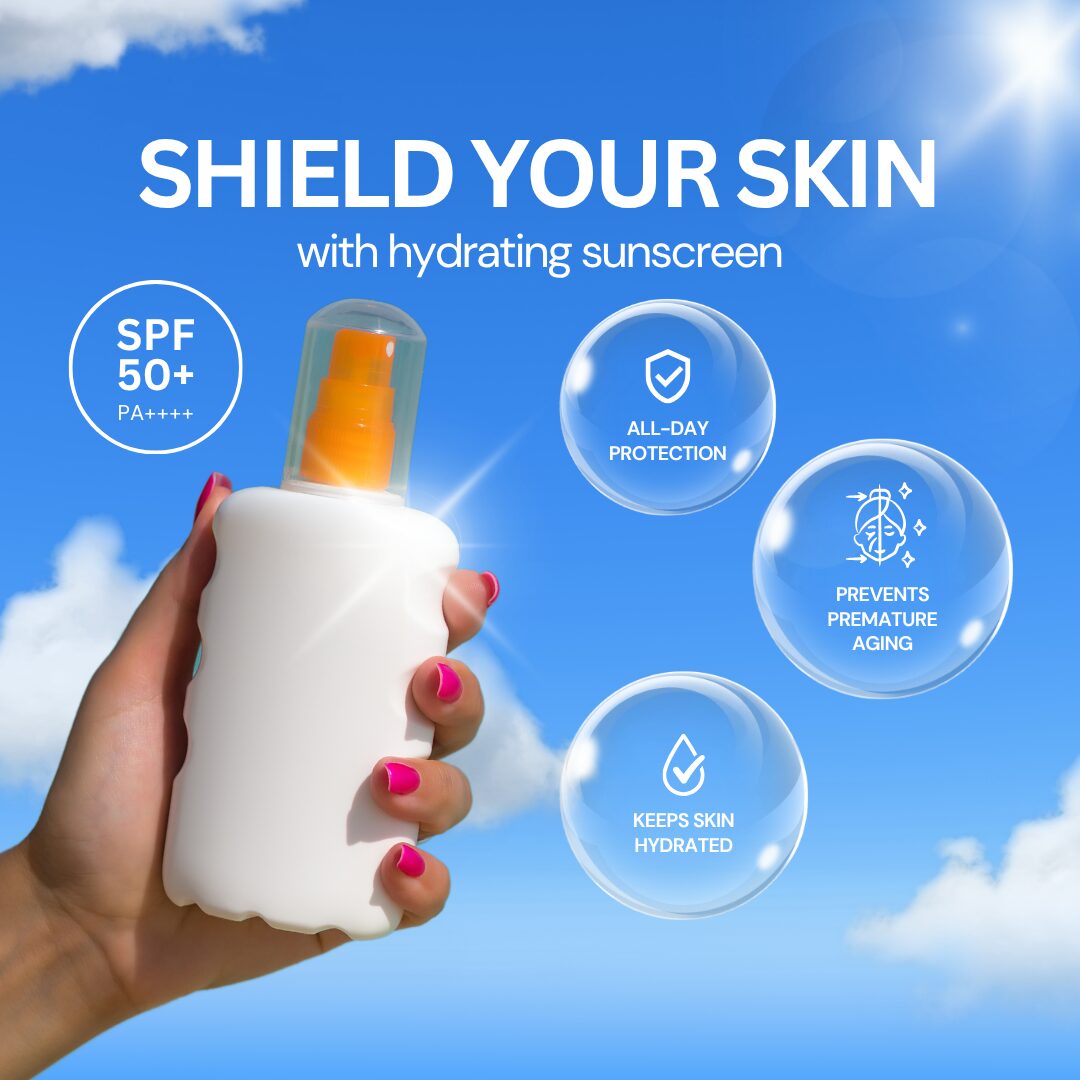
Many think: “There is no sun, so SPF is not needed.” However, the reality is different: UV radiation affects the skin every day, even when the sun is not visible and seems less intense.
An important point is that facial skin is especially sensitive in spring and needs additional protection.
Is SPF necessary on cloudy days?
Yes. There is a common belief that SPF is only needed on sunny days. However, up to 80% of UV rays can pass through clouds and still affect the skin, even when there is no direct sunlight sensation. This means that even on cloudy days, the skin is exposed to UV radiation.
What happens to the skin without SPF:
- pigmentation appears
- post-acne marks become more visible
- skin becomes more sensitive
- the aging process accelerates
The important thing is that these effects are not immediate, but become visible over time.
Why is SPF especially important in spring?
After winter, the skin becomes thinner, more sensitive, and has a weakened protective barrier, making it react more strongly to UV radiation.
In addition, skincare routines often include vitamin C products, more time is spent outdoors, and various cosmetic treatments are performed, which further increases skin sensitivity.
If your routine includes vitamin C, acids (AHA/BHA), or retinol, SPF is not an option — it is a necessity.
How to choose SPF in spring:
- at least SPF 30 (ideally SPF 50)
- lightweight texture
- suitable for your skin type
For problematic skin — lightweight, non-comedogenic formulas.
For dry skin — products with moisturizing ingredients.
How to use SPF correctly:
- every morning (even without sun)
- as the last step of skincare
- reapply during the day when outdoors
SPF is like insurance for your skin.
It is a daily habit for maintaining beautiful and healthy skin.
If you want to maintain an even skin tone, prevent pigmentation, and preserve youthful skin for longer — do not postpone SPF use. Start today.